


×
![]()
Plants
Andrographis paniculata

About Plant
| Plant ID | PLN001 | ||
| Plant Name | Andrographis paniculata | ||
| Common Name | Green chiretta | ||
| Vernacular Name | Kalmegh | ||
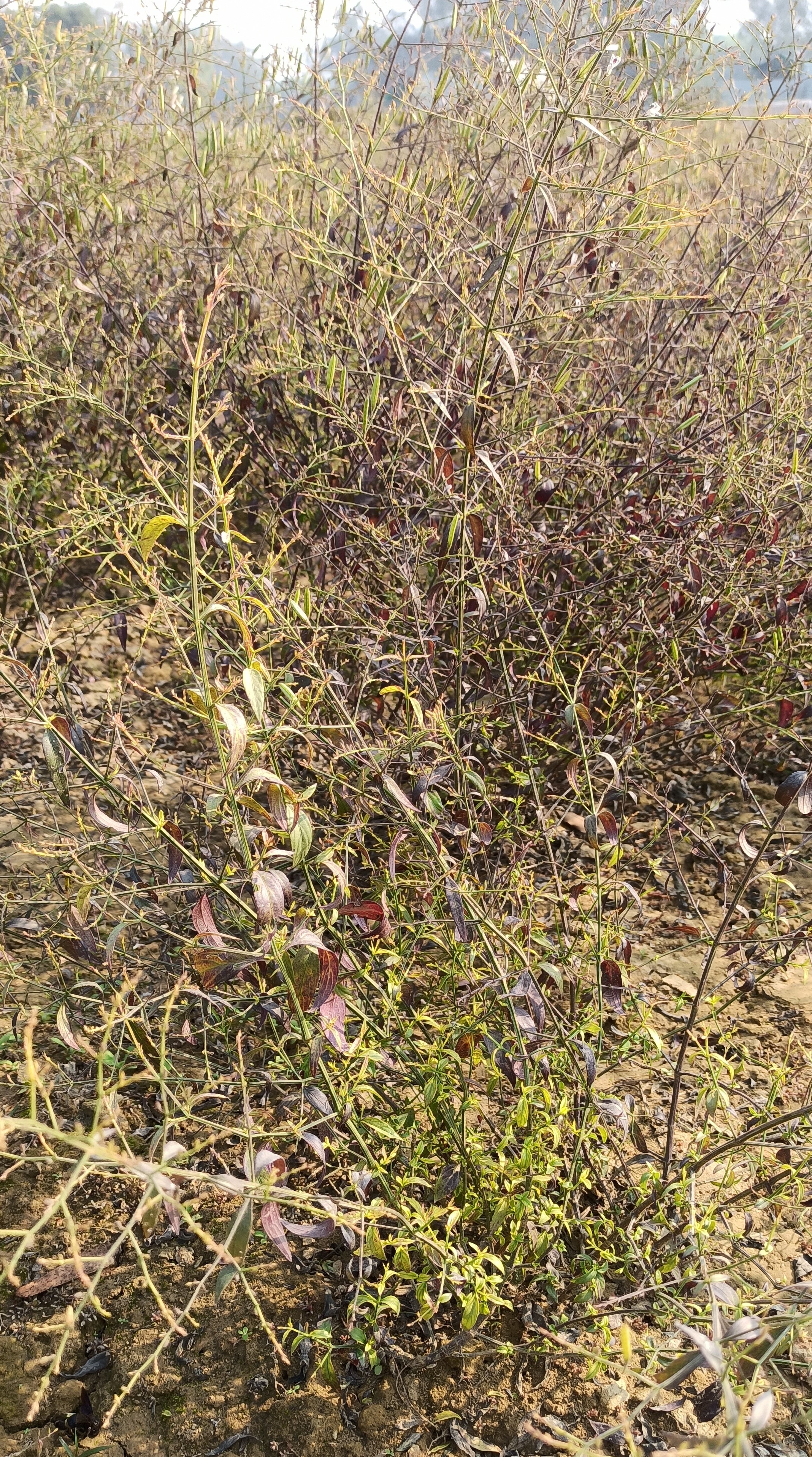
| Plant Description | The plant grows as an erect herb to a height of 30–110 cm (12–43 in) in moist, shady places. The slender stem is dark green, square in cross-section with longitudinal furrows and wings along the angles. The lance-shaped leaves have hairless blades measuring up to 8 cm (3.1 in) long by 2.5 cm (0.98 in). The small flowers are pink, solitary, arranged in lax spreading racemes or panicles. The fruit is a capsule around 2 cm (0.79 in) long and a few millimeters wide. | ||
Plant Classification
| Kingdom | Plantae | |
| Phylum | Streptophyta | |
| Class | Magnolipsida | |
| Order | Lamiales | |
| Family | Acanthaceae | |
| Genus | Andrographis | |
| Species | paniculata | |
| Variety/Line/Chemotype | ||
| Distribution | The species is distributed in tropical Asian countries, often in isolated patches. It can be found in a variety of habitats, such as plains, hillsides, coastlines, and disturbed and cultivated areas such as roadsides and farms. Native populations of A. paniculata are spread throughout south India and Sri Lanka which perhaps represent the center of origin and diversity of the species. The herb is an introduced species in northern parts of India, Java, Malaysia, Indonesia, the West Indies, and elsewhere in the Americas. The species also occurs in the Philippines, Hong Kong, Thailand, Brunei, Singapore, and other parts of Asia where it may or may not be native. The plant is cultivated in many areas, as well. | |
| Use | A. paniculata has also traditionally been used in India and China for the common cold and influenza. A 2017 (pre COVID-19) meta-analysis evaluating Andrographis paniculata for acute respiratory tract infections (ARTI) indicated possible support for its efficacy and safety, but cautioned that the trials reviewed were of poor quality and thus not conclusive. | |
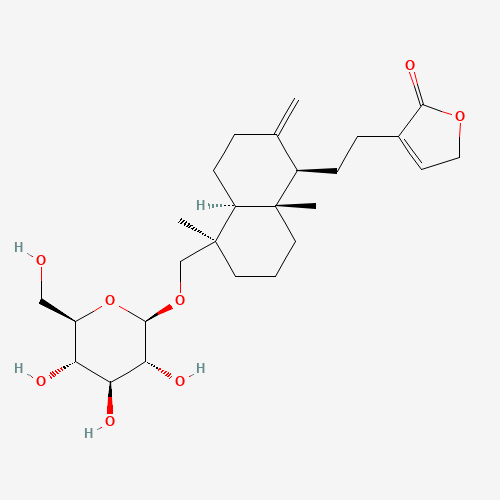
| Chemical Constituents | ||
Descriptive Details
Chemical Constituents

Plant Images
No data available
Biological Activities
Several studies showed that this plant exhibited various biological activities such as anti-microbial, cytotoxicity, anti-protozoan, anti-inflammatory, anti-oxidant, immunostimulant, anti-diabetic, anti-infective, anti-angiogenic, hepato-renal protective, sex hormone modulatory, liver enzymes modulatory and insecticidal and toxicity activities.
Crude Drugs
| ID | Drug Part Name |
| CRD3 | Aerial Part |
Genome
No data available
Transcriptome
| Transcriptome ID | Sample Tissue |
| PTE002 | Root |
| PTE003 | Seed pod |
| PTE001 | Leaf |
| PTE004 | Leaf |
| PTE005 | Root |
| PTE006 | Stem |
| PTE007 | Flower |
Bio Activity
No Data Found
Reference
Book
https://www.bagchee.com/books/BB7965/major-medicinal-plants-of-india
R. S. Thakur, Harbans Singh Puri, Akhtar Husain. (1989). Major Medicinal Plants of India, Lucknow, India: Central Institute of Medicinal and Aromatic Plants.
https://www.bagchee.com/books/BB7965/major-medicinal-plants-of-india