


×
![]()
Plants
Tanacetum cinerariifolium

About Plant
| Plant ID | PLN006 | ||
| Plant Name | Tanacetum cinerariifolium | ||
| Common Name | Dalmatian chrysanthemum or Dalmatian pyrethrum | ||
| Vernacular Name | Dalmatian chrysanthemum or Dalmatian pyrethrum | ||
| Plant Description | The perennial herb T. cinerariifolium, formerly known as Chrysanthemum cinerariaefolium and commonly referred to as pyrethrum, belongs to the Asteraceae family and stands out for its significance. It is renowned for its economic value, being a primary source of pyrethrins, a potent group of secondary metabolites widely used as insecticides. | ||
Plant Classification
| Kingdom | Plantae | |
| Phylum | Streptophyta | |
| Class | Magnolipsida | |
| Order | Asterales | |
| Family | Asteraceae | |
| Genus | Tanacetum | |
| Species | cinerariifolium | |
| Variety/Line/Chemotype | ||
| Distribution | Pyrethrum, known as py for short, is widely recognized as one of the safest insecticides for food-related applications. In 1998, Kenya accounted for 90% of global pyrethrum production, amounting to over 6,000 tonnes. Tanzania and Ecuador also contribute significantly to production, with Australia emerging as the current leading producer worldwide. | |
| Use | A natural, organic insecticide/ insect repellent. Amongst the safest insecticides for use around food. | |
| Chemical Constituents | Jasmolin I, Cinerin I, Butylhydroxytoluene, Jasmolin II, 1-Methyldecahydronaphthalene, 2-Methyldecahydronaphthalene, 2(1H)-quinolinone, 4-[(4-methoxyphenoxy) methyl]-, Sesamin, Decahydronaphthalene, 2,6-Dimethylundecane | |
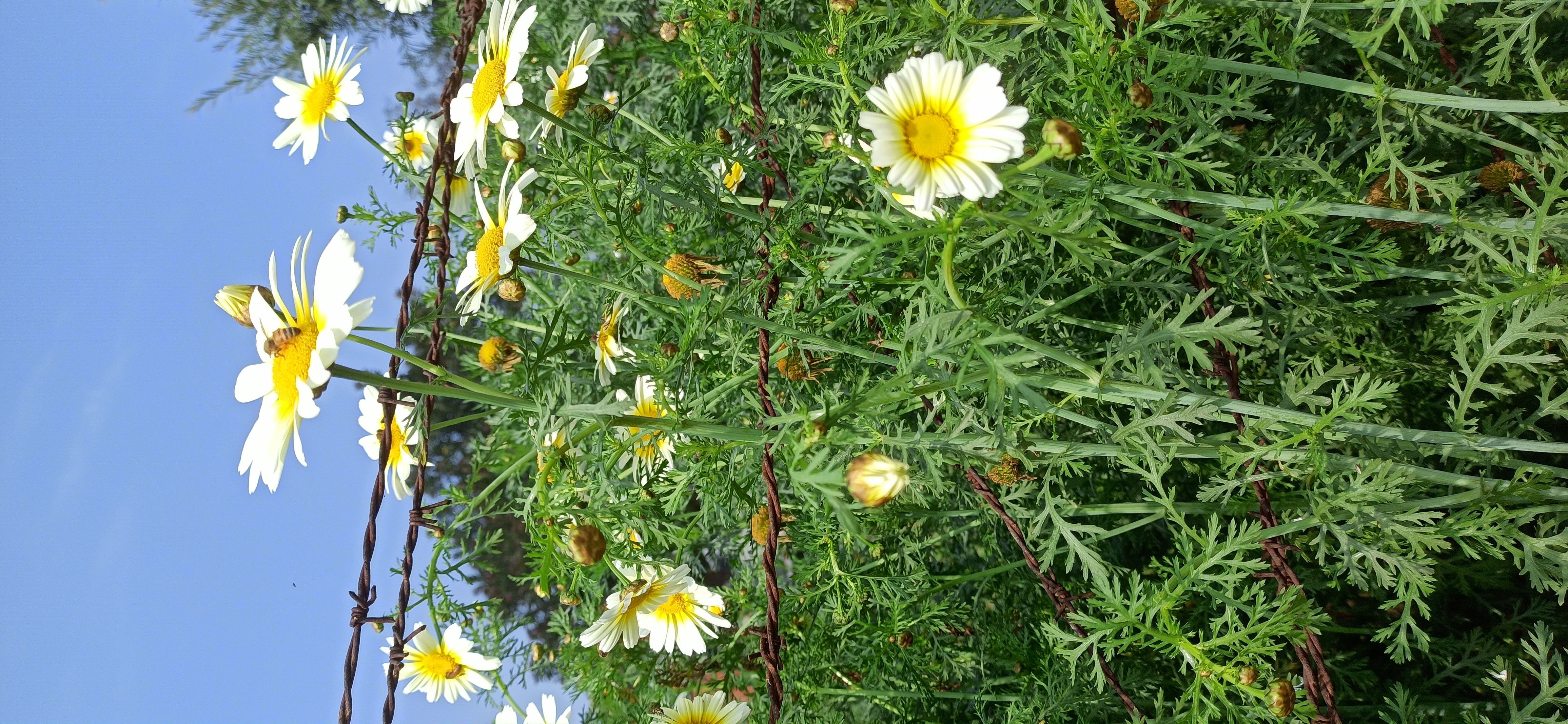
Descriptive Details
Chemical Constituents
No data available
Plant Images
No data available
Biological Activities
Pyrethrins act on the nervous systems of insects universally, preventing female mosquitoes from biting. Even in concentrations below those lethal to insects, they demonstrate a repellent effect against insects.
Crude Drugs
No data available
Genome
No data available
Transcriptome
Bio Activity
No Data Found
Reference
Journal
https://bmcgenomics.biomedcentral.com/articles/10.1186/s12864-016-3409-4
Journal
https://onlinelibrary.wiley.com/doi/full/10.1111/1748-5967.12471
Khan, S., Upadhyay, S., Khan, F., Tandon, S., Shukla, R. K., Ghosh, S., ... & ur Rahman, L. (2017). Comparative transcriptome analysis reveals candidate genes for the biosynthesis of natural insecticide in Tanacetum cinerariifolium. BMC genomics, 18, 1-12.
https://bmcgenomics.biomedcentral.com/articles/10.1186/s12864-016-3409-4
Journal
Lee, H. E., Hong, S. J., Hasan, N., Baek, E. J., Kim, J. T., Kim, Y. D., & Park, M. K. (2020). Repellent efficacy of essential oils and plant extracts against Tribolium castaneum and Plodia interpunctella. Entomological Research, 50(9), 450-459.
https://onlinelibrary.wiley.com/doi/full/10.1111/1748-5967.12471