


×
![]()
Plants
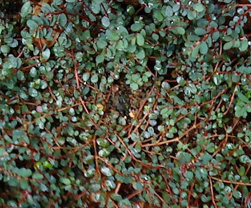
Euphorbia thymifolia L.

About Plant
| Plant ID | PLN008 | ||
| Plant Name | Euphorbia thymifolia L. | ||
| Common Name | Chhoti dudhi | ||
| Vernacular Name | aghududhika or choti-dudhi, Sweet kerusa, Dudiya, Bonayeti, Chinna | ||
| Plant Description | Euphorbia thymifolia L. is an important medicinal plant used in traditional system of medicine. During survey, it has been found that E. prostrata and E. hirta are used as substitute due to similar names and phenotypic characters. In this study, phenotypic, anatomical characters and ISSR marker based studies were carried out to delineate these species. Phenotypic characters i.e. distribution of hairs on capsules, and stipules morphology; anatomical characters i.e. thickness of xylem region and pith region in the stem and midrib size in the leaf are distinguishing characters. These characters integrated with ISSR based molecular fingerprinting showed species-specific demarcation in Euphorbia species. " | ||
Plant Classification
| Kingdom | Plantae | |
| Phylum | Streptophyta | |
| Class | Magnolipsida | |
| Order | Malpighiales | |
| Family | Euphorbeaceae | |
| Genus | Euphorbia | |
| Species | thymifolia L. | |
| Variety/Line/Chemotype | ||
| Distribution | It is distributed throughout tropics except North Australia. It occurs throughout India in plains and low hills, ascending to 5,500 ft. in Kashmir, frequently found in waste lands, along road-sides and wall sides under humid conditions, gravel walks, grasslands, abandoned fields, etc. | |
| Use | It is traditionally used as a blood purifier, sedative, haemostatic, stimulant, astringent in diarrhea and dysentery, anthelminthic, demulcent, laxative. It is also given in cases of flatulence, constipation; in chronic cough; as an antiviral in bronchial asthma and paronychia, in bowel complaints, in amenorrhea and gonorrhea. The fresh plant is considered as galactagogue; used in ophthalmia and other eye troubles, sores, atrophy, dysentery and breast pain; useful for diarrhea and painful bleeding piles. It possesses aphrodisiac and age-sustaining properties. The plant is also used as an anti-pyretic, in chronic cold, menstrual disorders, urinary tract infections, skin diseases, in acne vulgaris and as a tonic in menorrhagia. | |
| Chemical Constituents | The plant contains apigenin, quercetin, kaempferol, p-coumaric acid, protocatechuic acid, caffeic acid. Euphorbol, β amyrin, bixanin, carvacrol. Phenolics, tannins, cymol, limonene, thymofolinoates A, thymofolinoates B, Iso-mallotinic acid, Sterols viz. taraxerol, tirucallol, campesterol | |
Descriptive Details
Chemical Constituents
No data available
Plant Images
No data available
Biological Activities
Shows various medicinal activities like hypoglycemic, Anti-herpes simplex virus (HSV)-2, antinociceptive activity, antioxidant, anti-lipid, anti-inflammatory, antispasmodic, antifungal, antibacterial, larvicidal, antimicrobial, antibronchial asthmatic, anthelmintic, laxative and diuretic
Crude Drugs
| ID | Drug Part Name |
| CRD2 | Aerial Part |
Genome
No data available
Transcriptome
No data available
Bio Activity
No Data Found
Reference
Book
https://cir.nii.ac.jp/crid/1130000795422355200
Akhtar, H., Virmani, O. P., Popli, S. P., Misra, L. N., Gupta, M. M., Srinivastava, G. N., … Singh, A. K. (1992). Dictionary of Indian medicinal plants. Luknow, India: Central Institute of Medicinal and Aromatic Plants.
https://cir.nii.ac.jp/crid/1130000795422355200